Polymer80 small parts: pins, springs and trigger bars explained
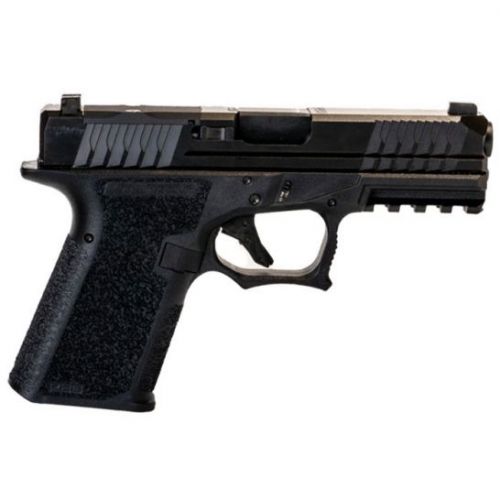
A Polymer80 pistol is about thirty-five parts, and most of them are small, cheap and shared with the Gen3 Glock pattern. Knowing what each one does tells you what to keep in a parts bin, what wears out, and what you are actually buying when a listing says "completion kit" or "lower parts kit". This guide walks through the frame and slide parts of the PFS9 and PFC9 in the order you meet them during disassembly. All of these are parts, not firearms, and ship to your door. We are an independent store, not affiliated with Polymer80 or Glock.
Frame pins
Two pins hold the frame together on a Polymer80 pistol: the trigger housing pin at the rear and the locking block pin above the trigger. A factory Glock Gen3 has a third pin, the trigger pin, which passes through the trigger and the slide-stop lever; the Polymer80 frame uses a trigger pin too, so budget for the three-pin set. Pins are steel, take a 3/32-inch punch, and are pushed out left to right. They do not wear much; the holes in the polymer do, slightly, over thousands of cycles. Keep a spare set in the range bag because they roll off benches.
Trigger and trigger bar
The trigger shoe is pinned to the trigger bar, a stamped steel piece that runs back along the right side of the frame. The bar has three jobs: its cruciform tail sits on the connector and drops to release the striker, its upward tab lifts the firing-pin safety plunger, and its front hook is what the trigger spring pulls. Polymer80 pistols ship with a flat trigger shoe. Aftermarket triggers replace the shoe or the shoe and bar together; a bent or worn bar shows up as a gritty pull or an inconsistent reset.
Trigger spring and connector
The trigger spring is a small coil spring with hooked ends that connects the trigger bar to the trigger housing; it pulls the trigger rearward and is why the trigger resets. Standard is 5 pounds; a 6-pound spring lightens the pull a little. The connector is a bent steel plate that seats in the trigger housing and cams the trigger bar down as you press. It comes in 3.5 (marked minus), 5 (standard) and 8-pound versions and is the cheapest way to change pull weight. Our trigger swap guide covers the install.
Trigger housing and ejector
The trigger housing is the polymer block at the rear of the frame. It holds the connector and the trigger spring, and the ejector is molded into it. A Gen3 9mm housing carries the 336 ejector. If ejection turns weak or erratic and the extractor checks out, the housing and ejector is the next suspect; the whole unit is inexpensive.
Locking block
The locking block is the steel piece under the barrel that the barrel lugs cam against. The Polymer80 frame uses its own locking block, which is not the Glock part; buy the one for the PF-series frame. It is held by the locking block pin and the trigger pin and rarely wears out, but it is the part that takes the barrel's impact every shot.
Rail inserts
Where a Glock frame has steel rails molded in, a Polymer80 frame uses a front rail module (part of the locking block assembly) and a rear rail module that sits in the trigger housing. Worn or bent rails feel like slide drag. These are covered in the rails and locking blocks guide.
Slide lock and spring
The slide lock is the spring-loaded bar behind the locking block that you pull down on both sides to strip the slide. Its leaf spring sits under it in the frame. If the slide will not come off, the spring is usually fouled or out of position. If the slide comes off too easily or the pistol will not lock up, the slide lock is bent or the spring is broken.
Slide stop lever and spring
The slide stop lever is the small external lever that locks the slide back on an empty magazine and releases it. Its integral spring wire rests on the trigger pin. Extended versions help small hands. A lever that does not hold the slide back has a weak or misseated spring, or the magazine follower is not pushing it up.
Magazine catch and spring
The magazine catch is the button on the left side of the grip; its flat spring runs down the front of the magazine well. Gen3 and Gen4 catches differ; Polymer80 frames take the Gen3-style catch, though some owners fit reversible Gen4 catches with a matching spring. An extended catch speeds reloads at the cost of occasional accidental releases in a holster.
Slide parts
- Striker (firing pin), spring, spring cups and spacer sleeve. The striker assembly lives in the channel at the rear of the slide. Cups are the small plastic halves that crack when installed wrong.
- Firing-pin safety plunger and spring. The vertical plunger that blocks the striker until the trigger bar lifts it.
- Extractor, extractor depressor plunger, spring and bearing. The extractor pulls the empty case; the plunger assembly presses it. Weak extraction is usually the plunger spring or a chipped extractor claw.
- Slide cover plate. The plastic plate at the rear that keeps the striker and depressor in place.
- Recoil spring assembly. Gen3 style, captured on a guide rod; size-specific to the full-size or compact slide.
What wears, and when
Springs wear before steel. The recoil spring is the first (makers suggest replacement around 3,000 to 5,000 rounds), then the trigger spring and the slide-stop spring. The extractor depressor plunger spring weakens over time and shows as erratic ejection. Pins, the locking block, the connector and the slide lock last the life of the gun in normal use. Keep a small kit: recoil spring assembly, trigger spring, slide-lock spring, extractor depressor plunger assembly, firing-pin spring, spring cups and a set of pins.
Buying parts
Search by the Glock Gen3 part name for everything except the locking block, rail modules and any part that touches the frame directly, which must be listed for the Polymer80 PF-series. Factory Glock parts and reputable aftermarket brands both work; the cheapest imported kits are where owners report soft pins and short springs. Our compatibility guide lists what crosses over. Browse pins, springs and trigger bars in the catalog; everything ships to your door, and the state shipping guide covers the few exceptions.
General information, not legal advice. Current as of September 2026. Laws change; check the official source before you act.